
下面比網(wǎng)校雅思頻道為大家整理了雅思聽力材料:達(dá)芬奇-最后的晚餐(BBC紀(jì)錄片),供考生們參考,以下是詳細(xì)內(nèi)容。
劇情簡介:
在美麗的畫作與雕像背后,往往隱藏著許多鮮為人知的故事。這套得獎節(jié)目揭露了多個經(jīng)典的藝術(shù)作品背后傳奇而又迷人的故事。本影片不僅介紹了每件作品的創(chuàng)作歷程,而且還詳述了它們對世人的影響。這些杰作影響后世至深,就算歷經(jīng)多個時代,也能綻放出耀目的光芒,是鑒賞家不容錯過的經(jīng)典。
更多雅思聽力材料:曠世杰作的秘密(BBC紀(jì)錄片)全集
BBC:The Private Life of A Masterpiece-The Last Supper(達(dá)芬奇-最后的晚餐)
作品簡介:
The Last Supper
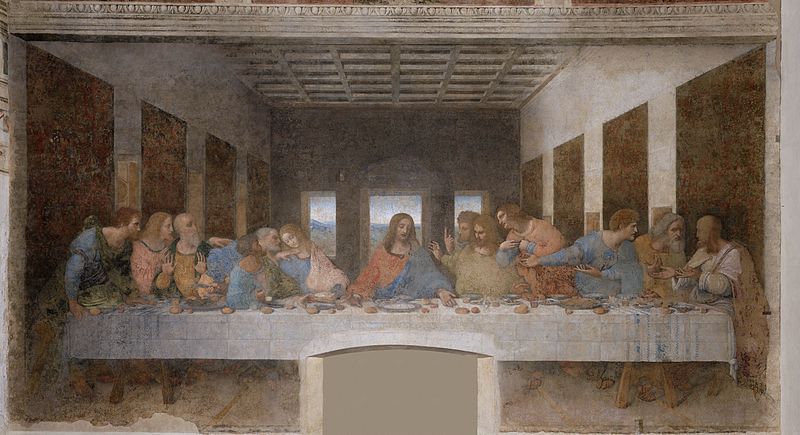
The Last Supper (Italian: Il Cenacolo or L'Ultima Cena) is a late 15th century muralpainting by Leonardo da Vinci in the refectory of the Convent of Santa Maria della Grazie,Milan. The work is presumed to have been commenced around 1495 and was commissioned as part of a scheme of renovations to the church and its convent buildings by Leonardo's patron Ludovico Sforza, Duke of Milan. The painting represents the scene of The Last Supper of Jesus with his disciples, as it is told in the Gospel of John, 13:21. Leonardo has depicted the consternation that occurred among the Twelve Disciples when Jesus announced that one of them would betray him.
作者簡介:
Leonardo da Vinci
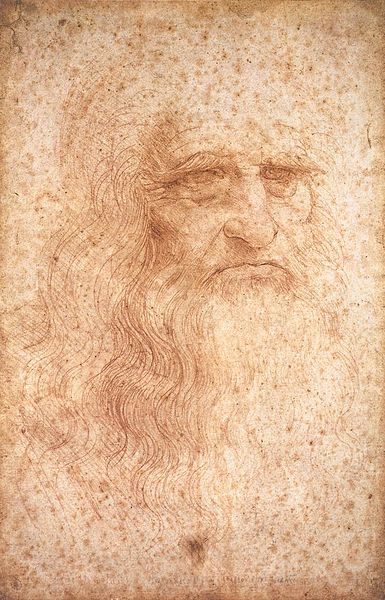
Leonardo di ser Piero da Vinci (Italian pronunciation: [leo?nardo da ?vint?i] pronunciation (help·info)) (April 15, 1452 – May 2, 1519, Old Style) was an Italian Renaissance polymath: painter, sculptor, architect, musician, scientist, mathematician, engineer, inventor, anatomist, geologist, cartographer, botanist, and writer. His genius, perhaps more than that of any other figure, epitomized the Renaissance humanist ideal. Leonardo has often been described as the archetype of the Renaissance Man, a man of "unquenchable curiosity" and "feverishly inventive imagination". He is widely considered to be one of the greatest painters of all time and perhaps the most diversely talented person ever to have lived. According to art historian Helen Gardner, the scope and depth of his interests were without precedent and "his mind and personality seem to us superhuman, the man himself mysterious and remote". Marco Rosci states that while there is much speculation about Leonardo, his vision of the world is essentially logical rather than mysterious, and that the empirical methods he employed were unusual for his time.